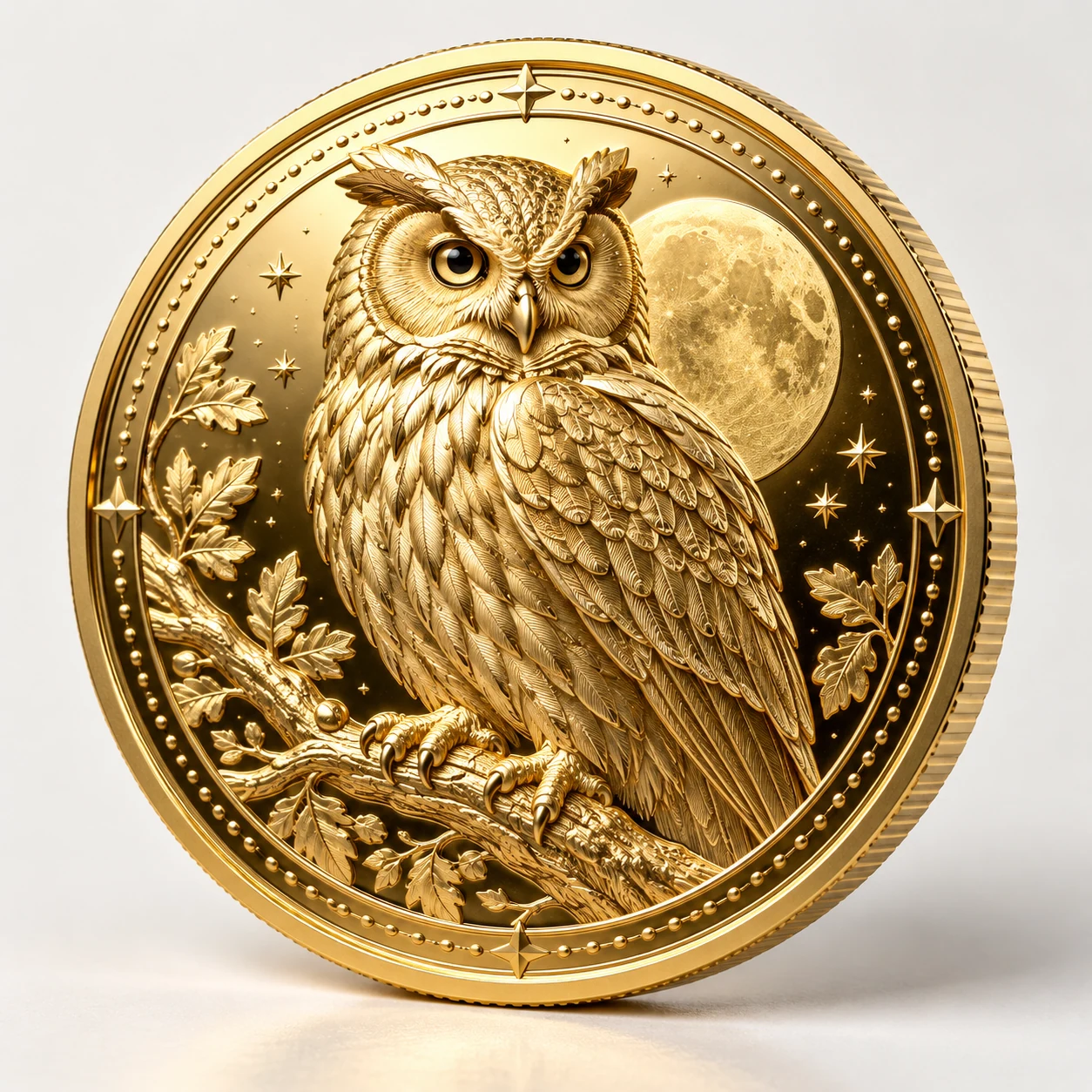
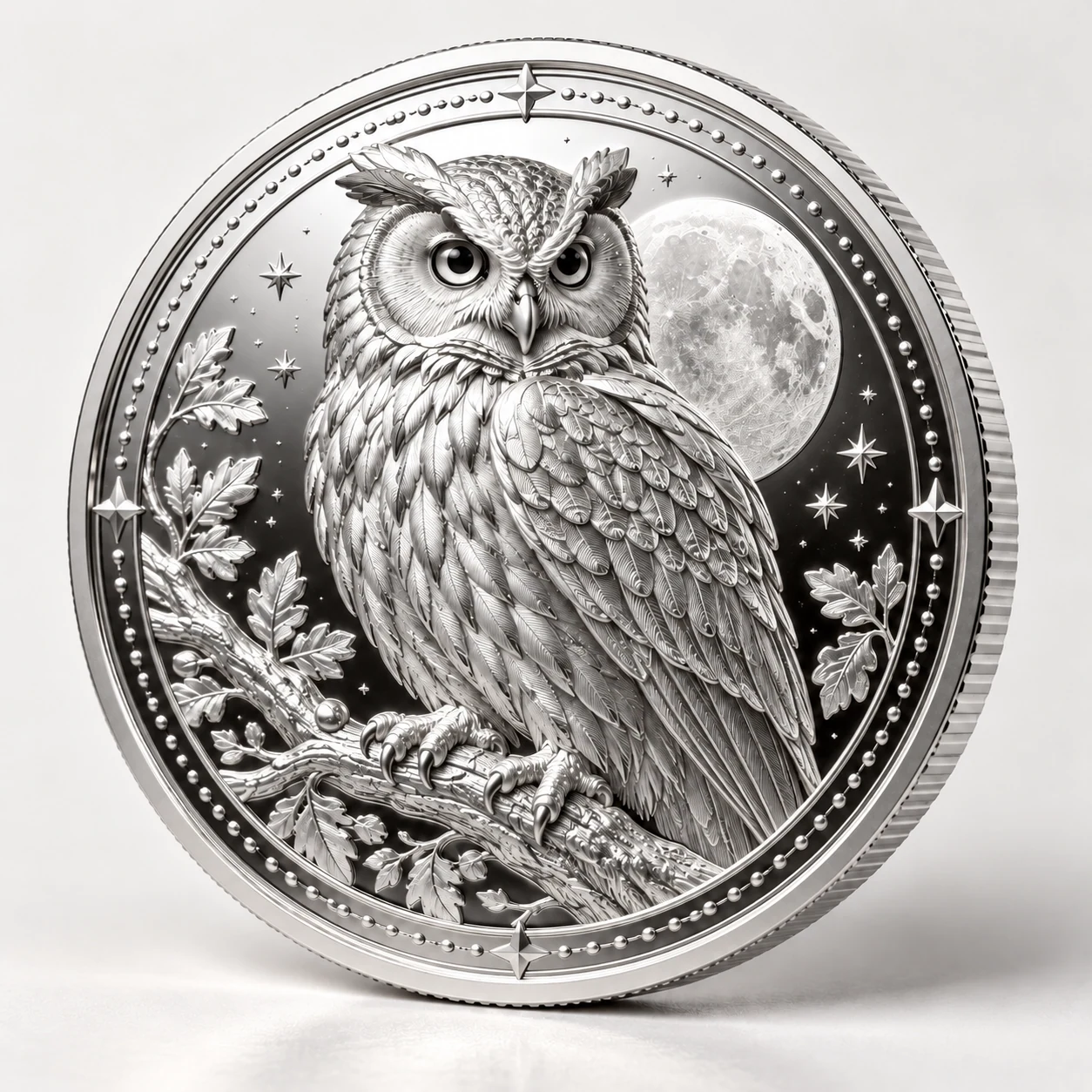
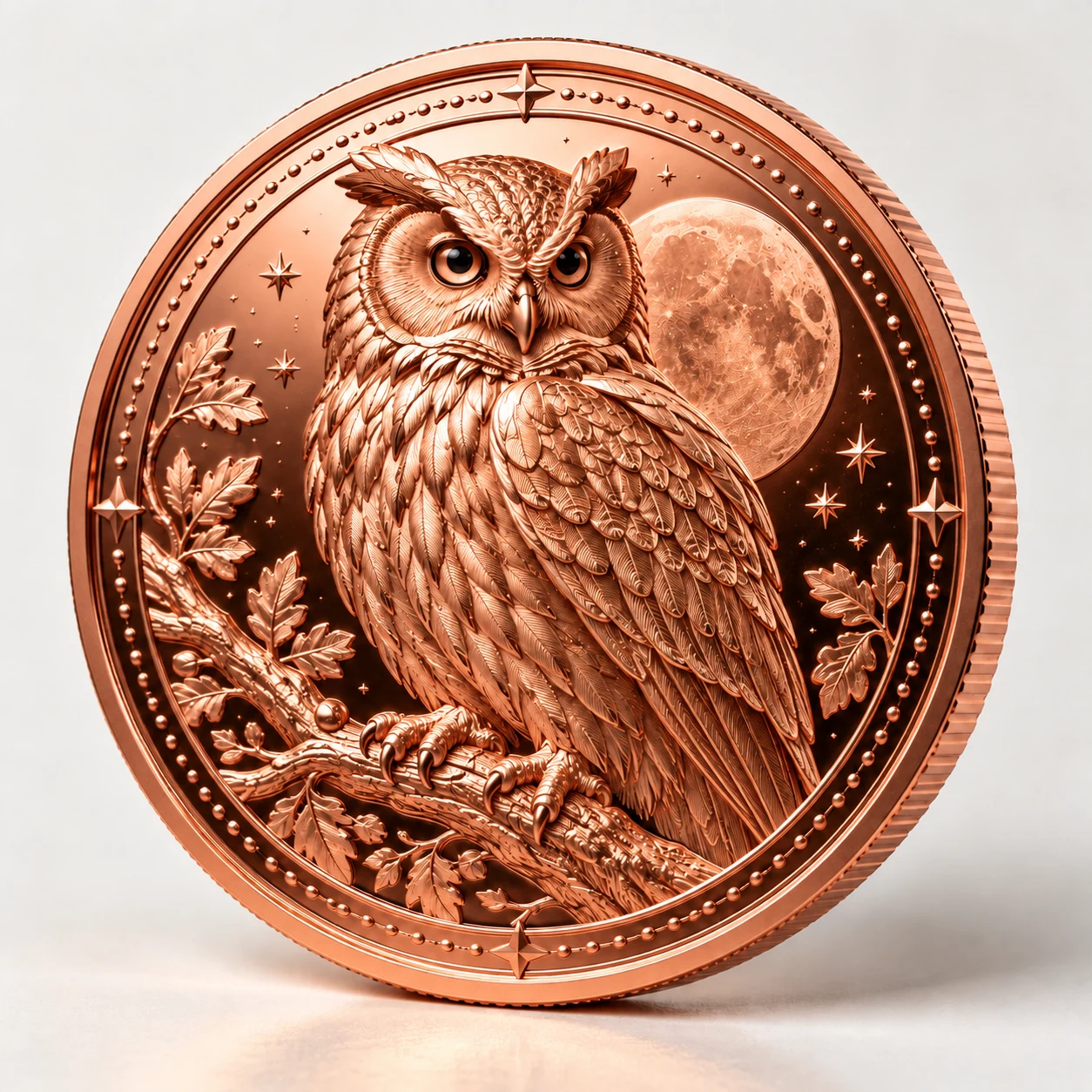
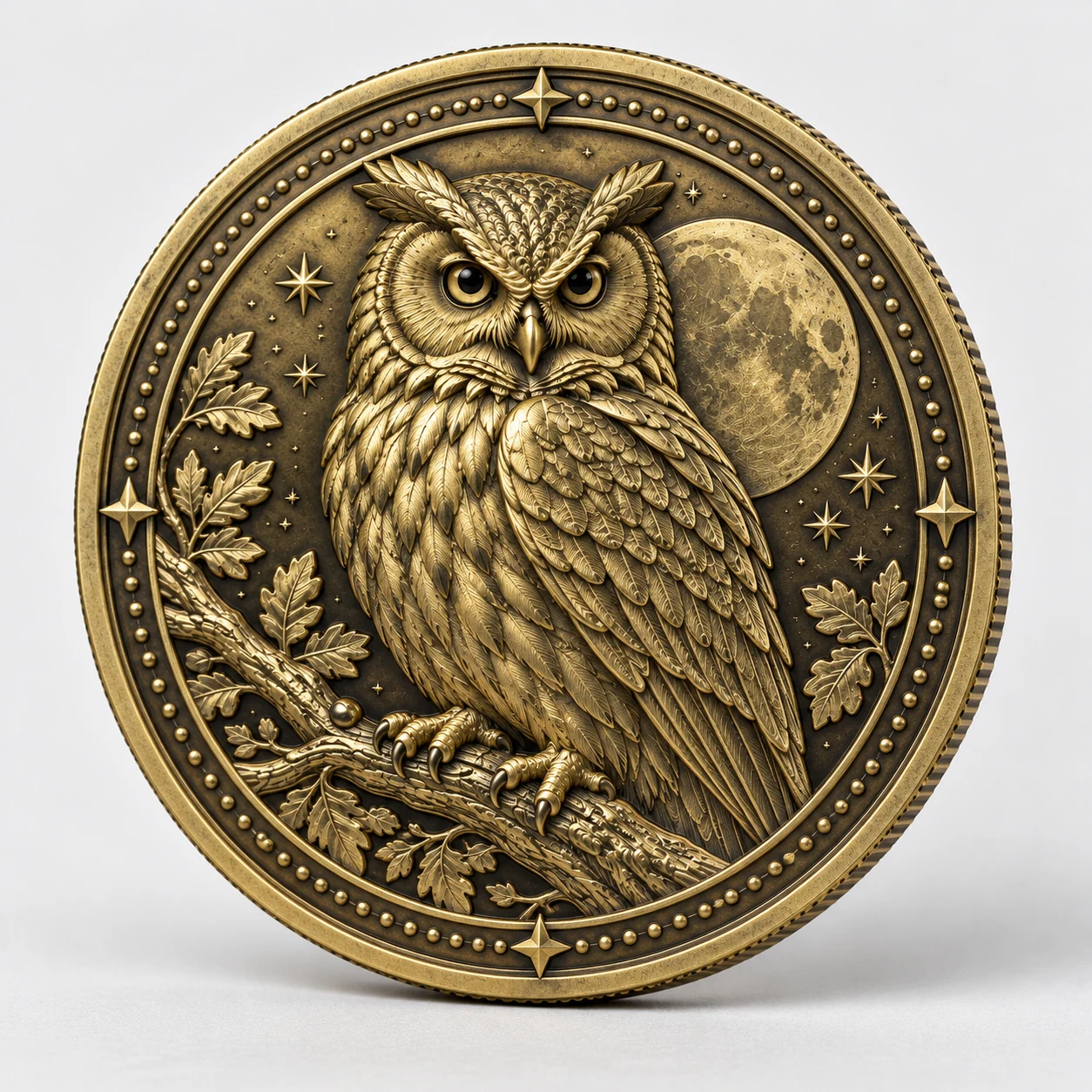
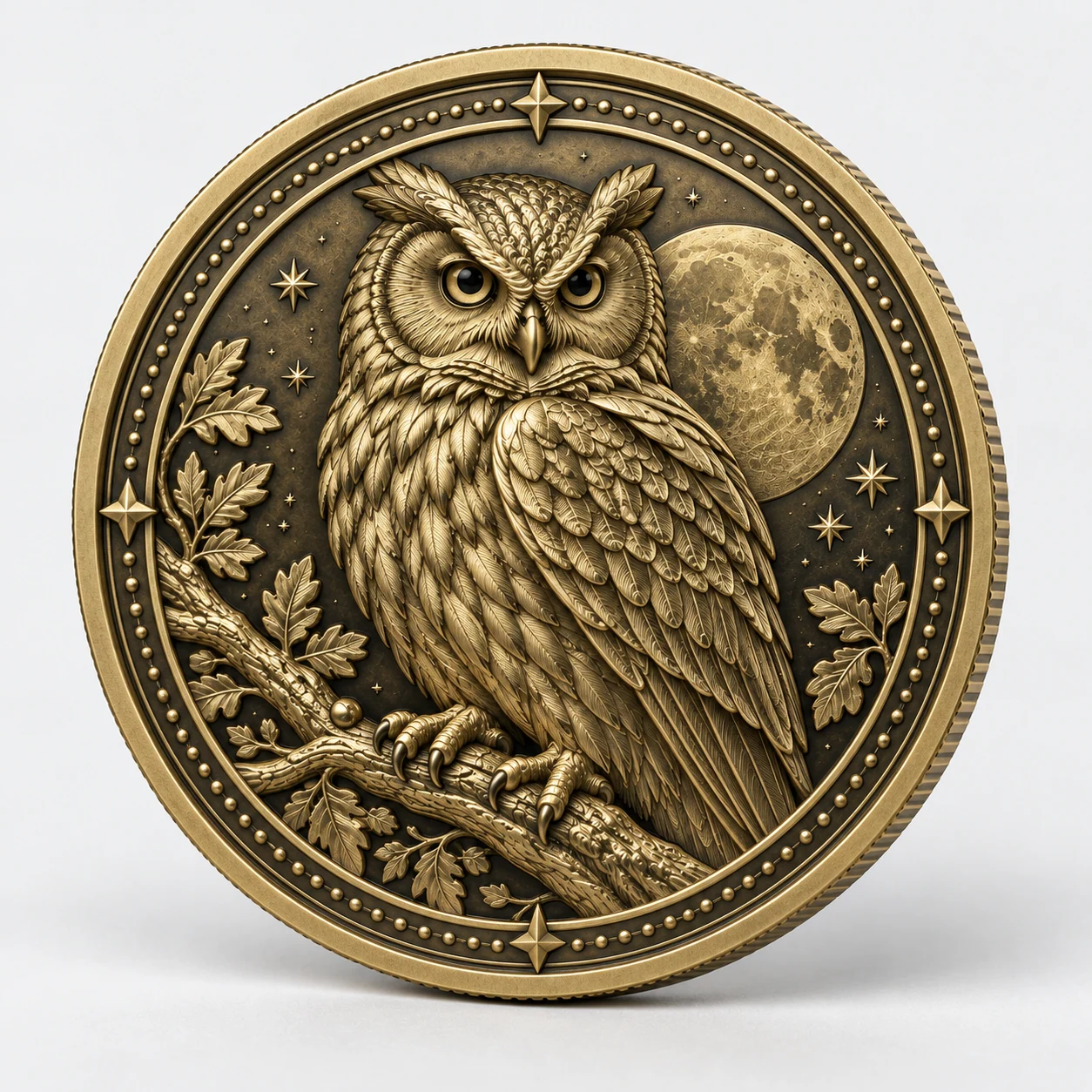
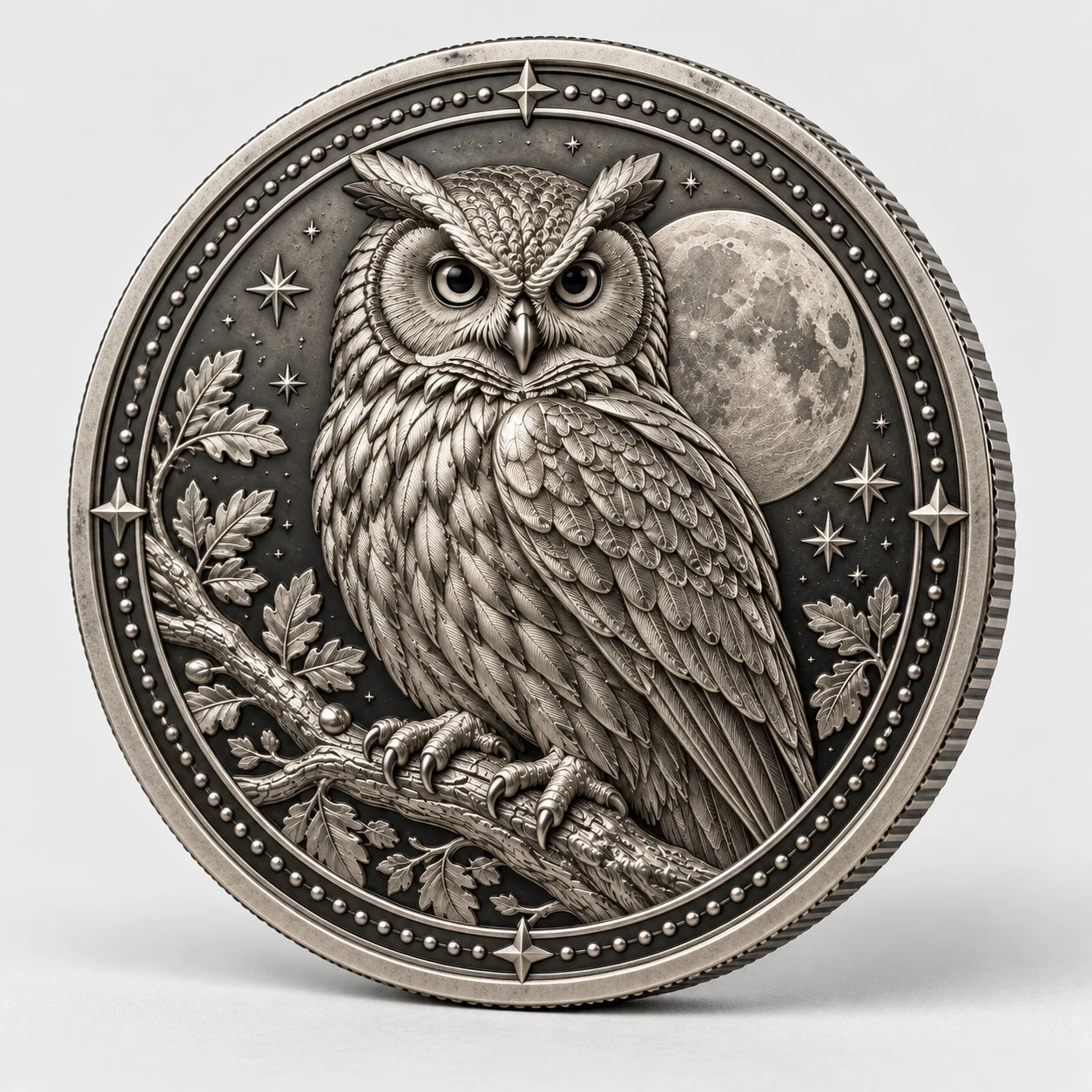
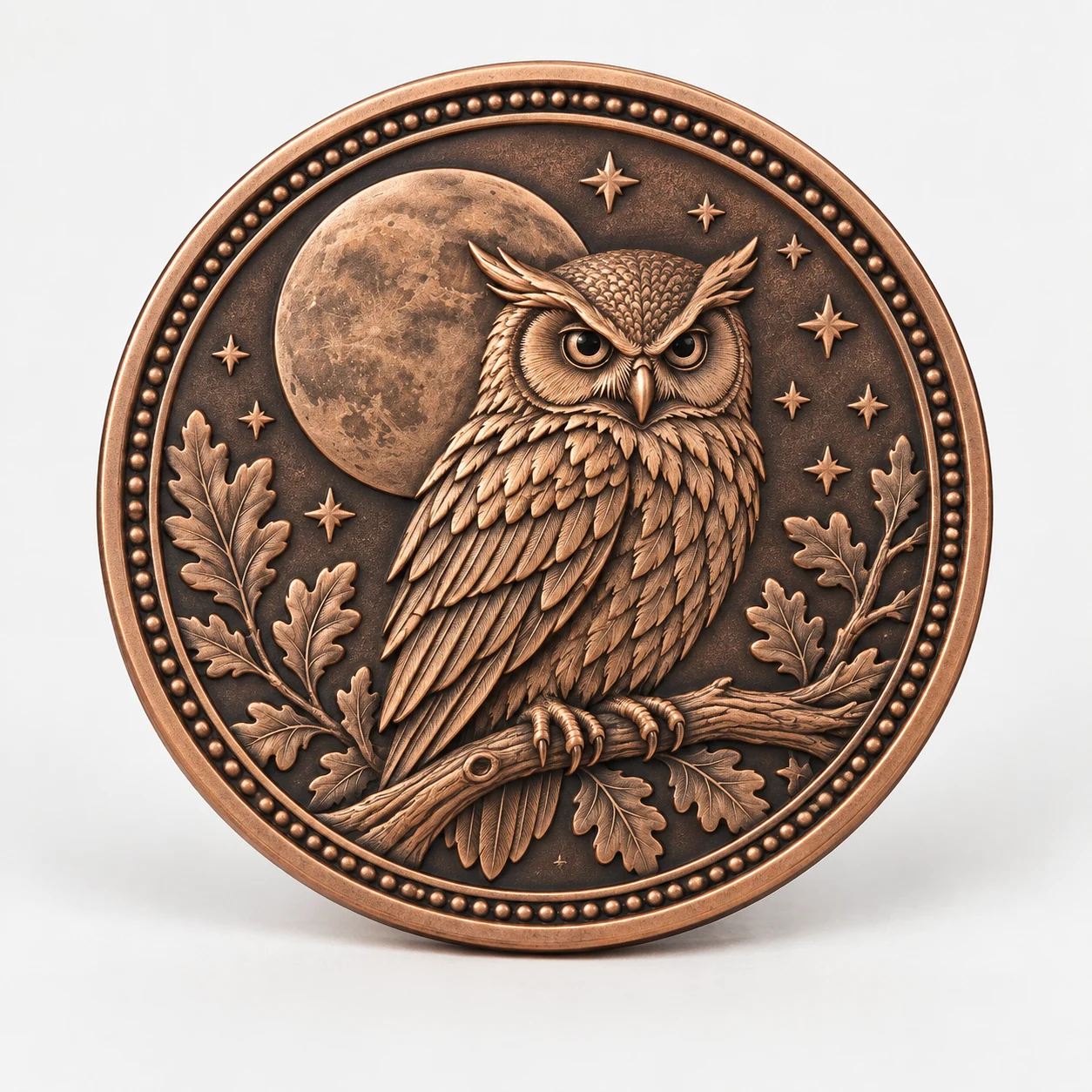
Compare 999 silver, 999 copper, brass, zinc alloy and titanium alloy for custom coins. Explore material selection, relief, finishes and the specifications to include in your quotation.
Use the same artwork, dimensions and finish when comparing materials. Your final choice should bring purpose, design and budget into the same conversation.
Custom coin materials: applications, design and quotation considerations
Distinctive commemorative coins and presentation pieces.
Confirm the alloy grade and proposed manufacturing route before agreeing the relief and finish.
Request a project-specific assessment of material, production and finishing.
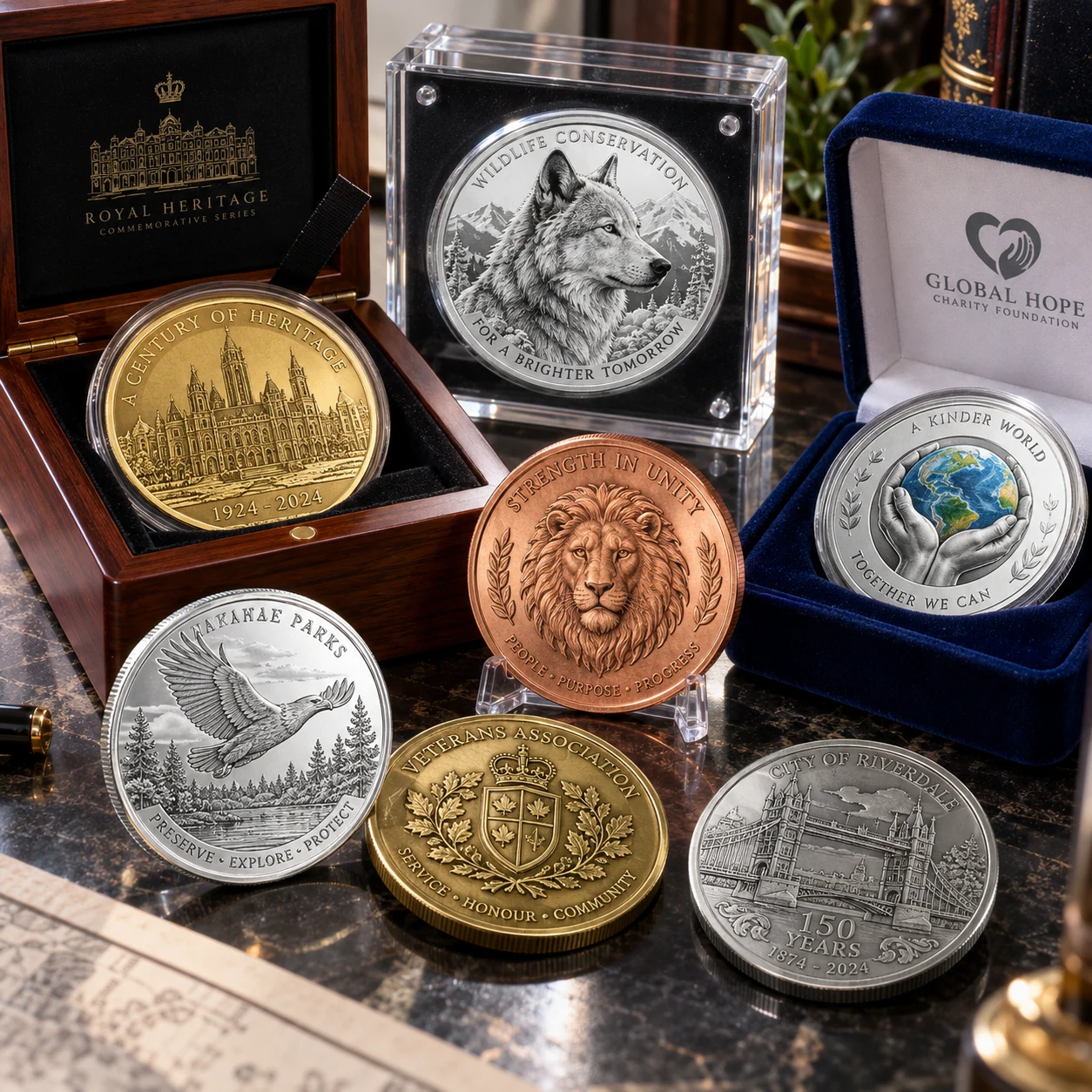
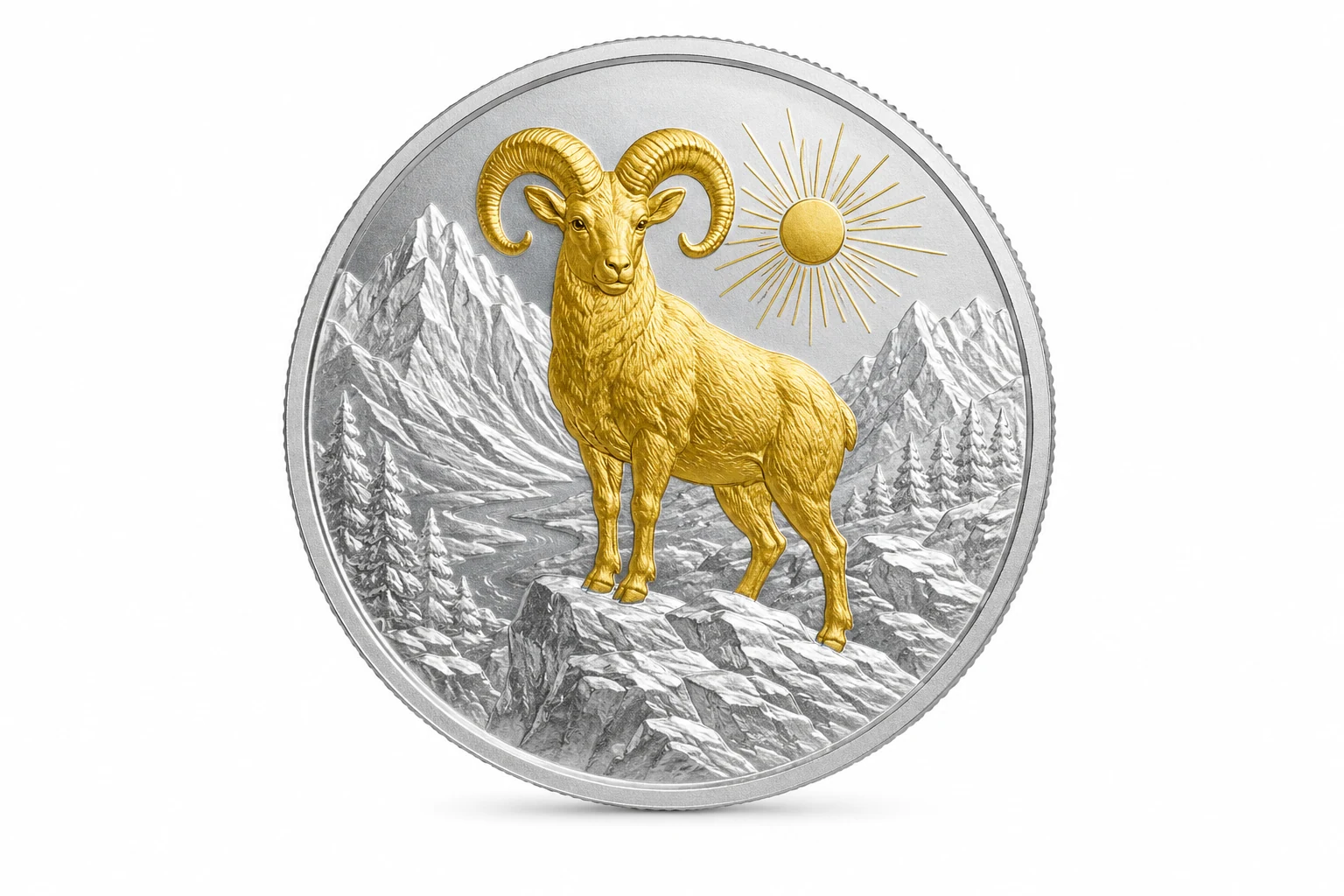
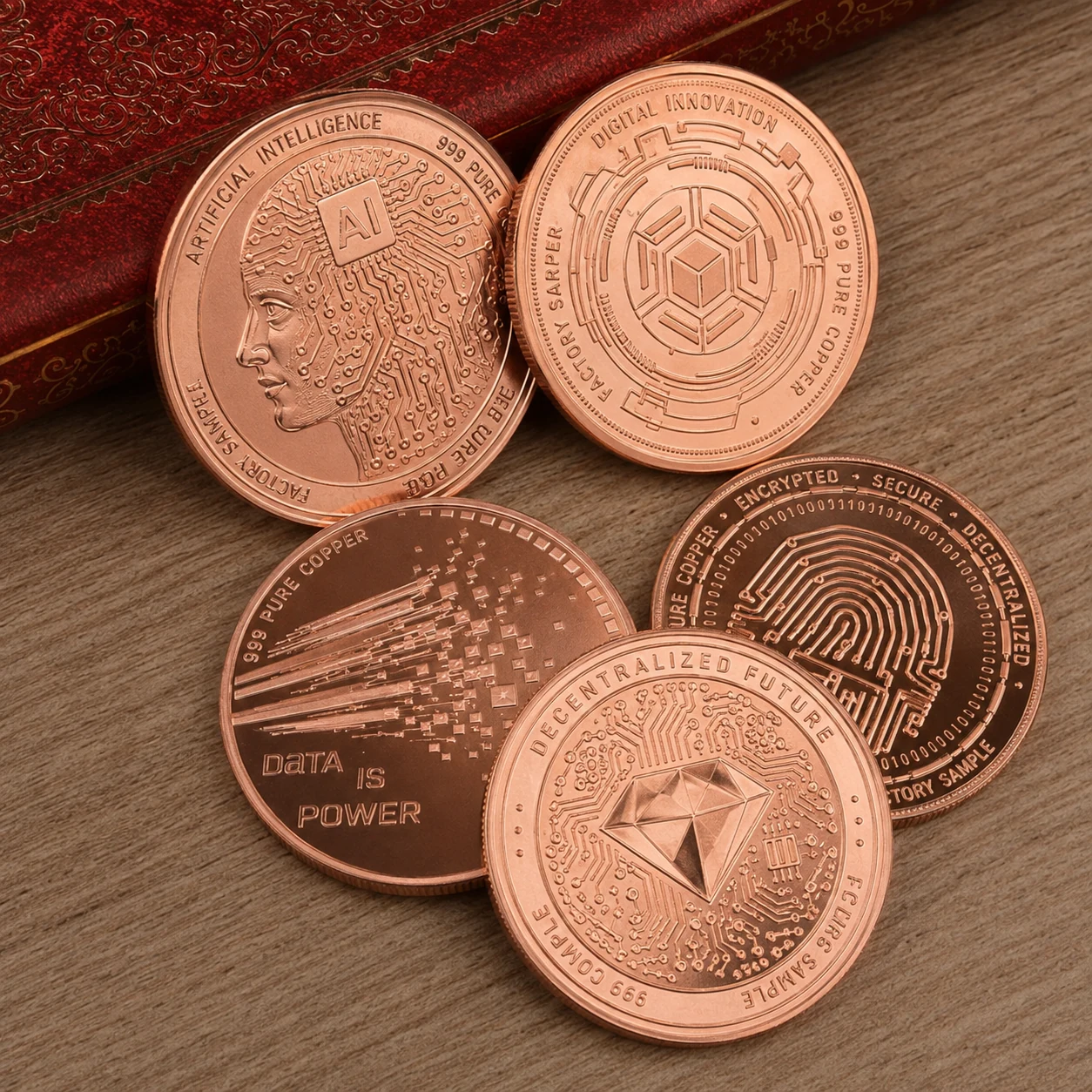
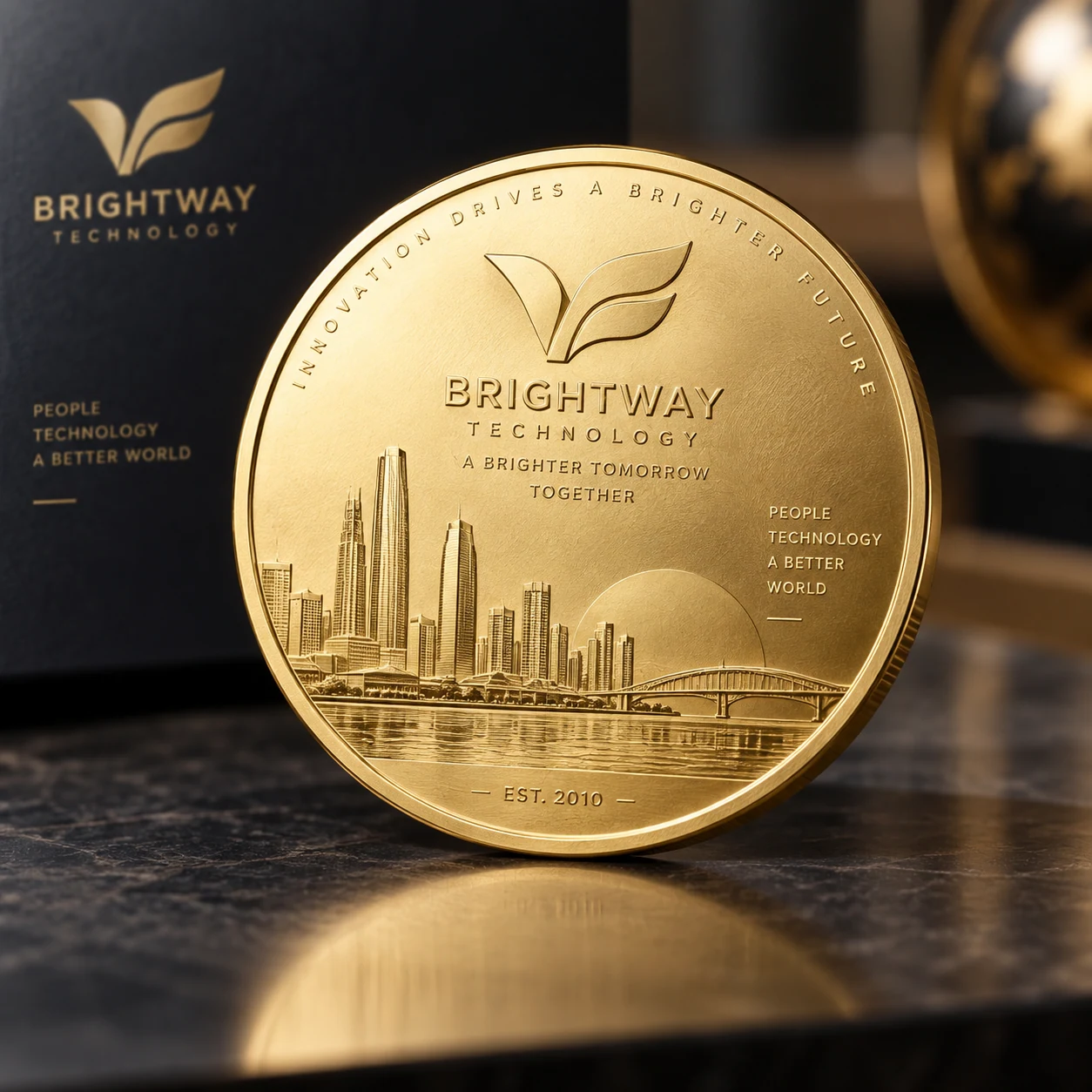
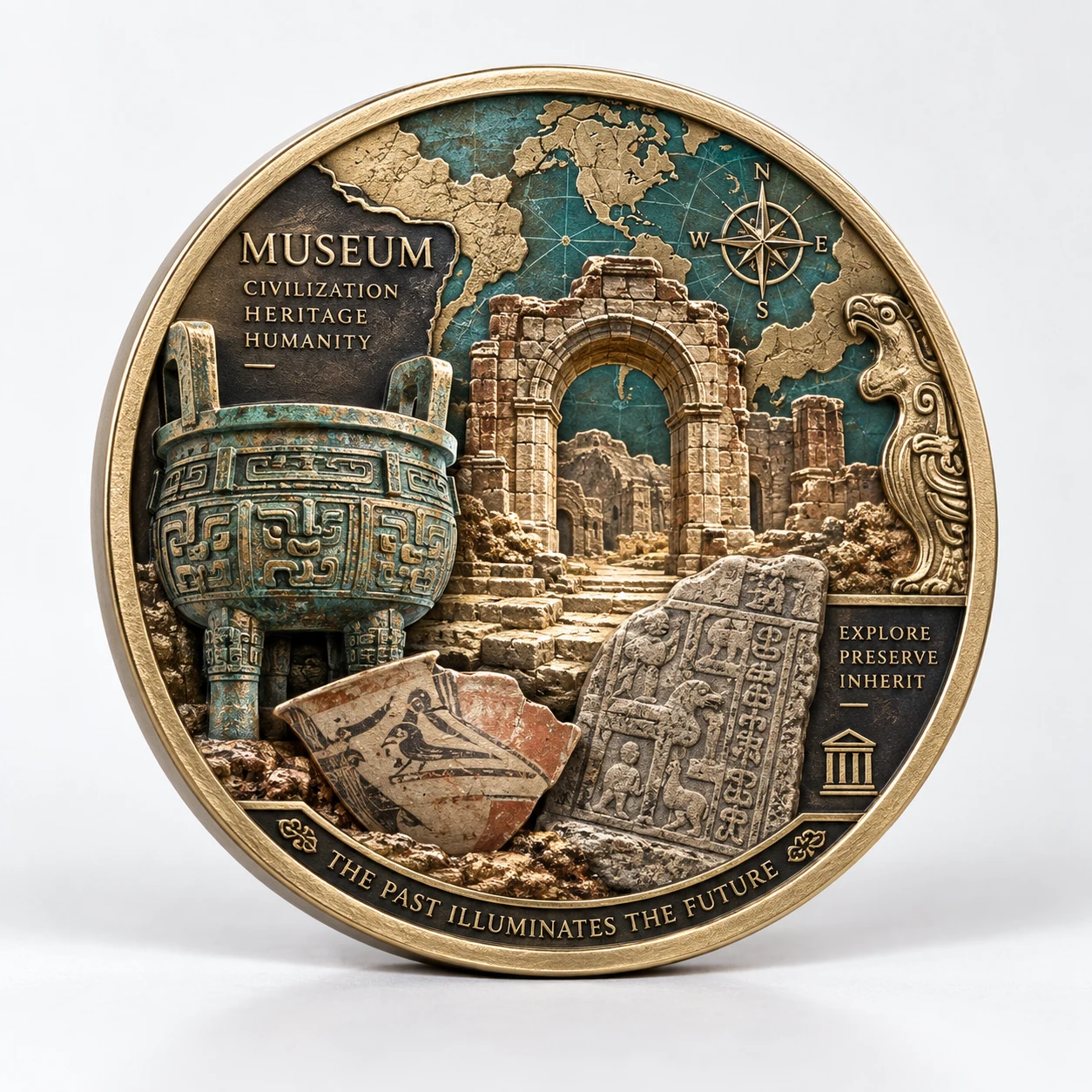
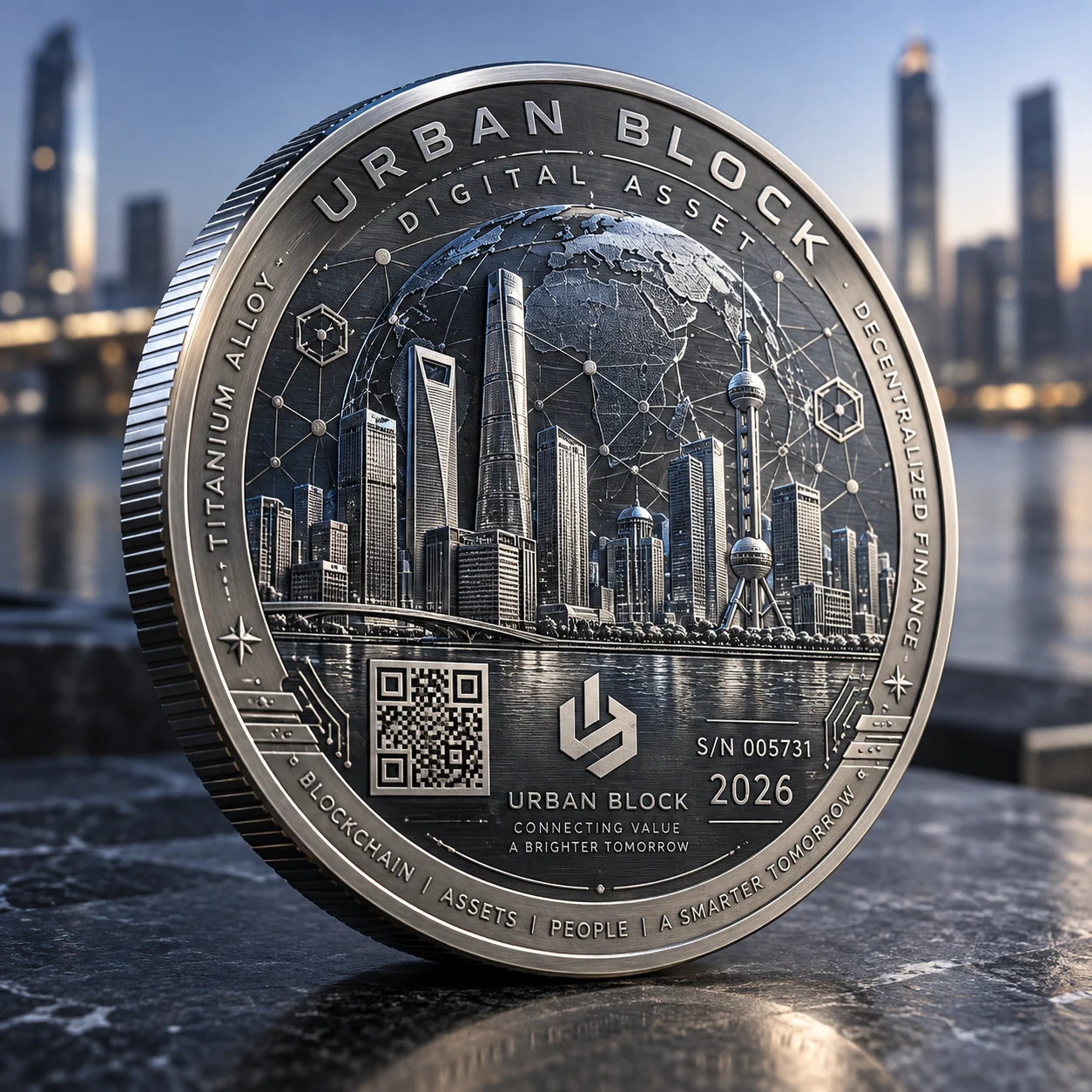
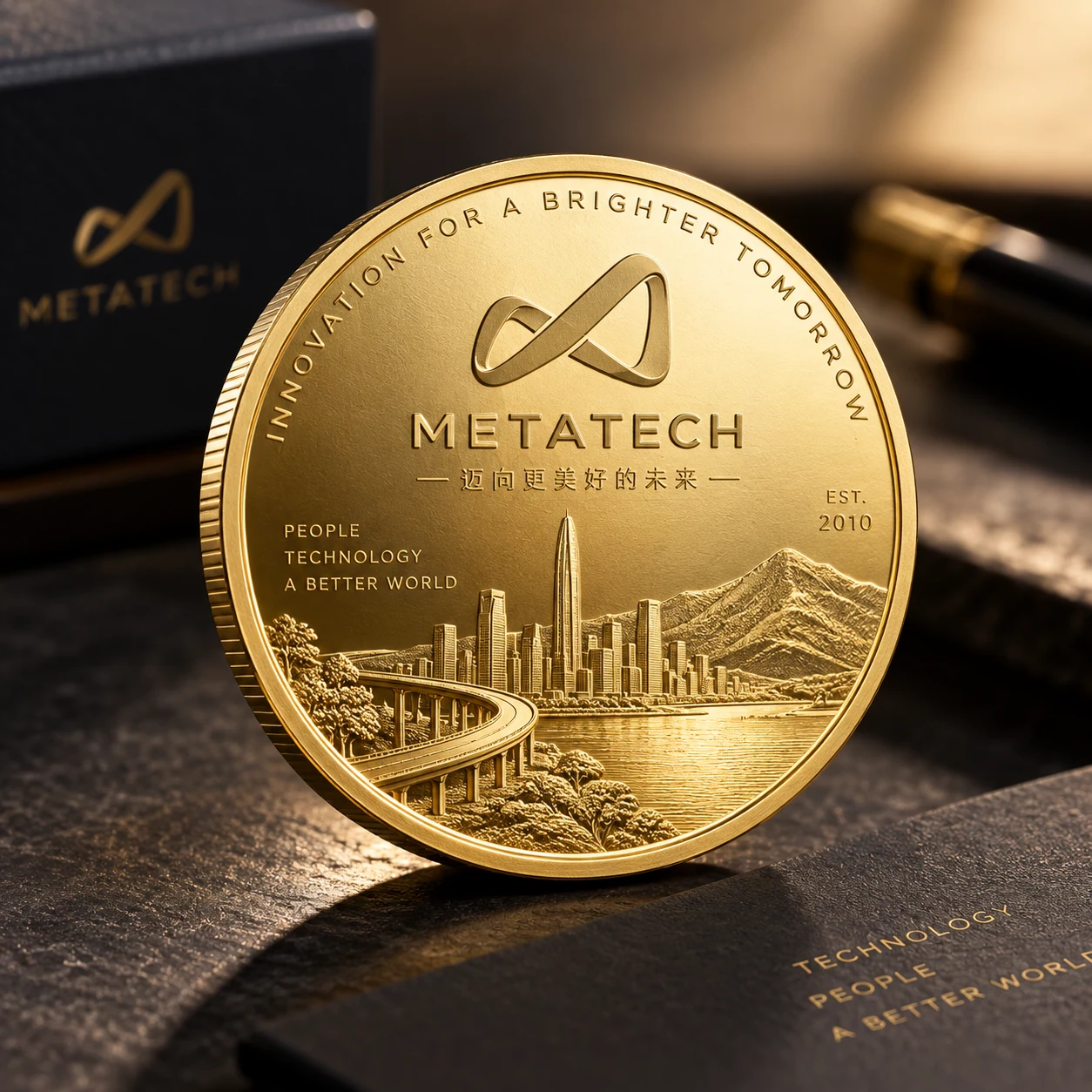
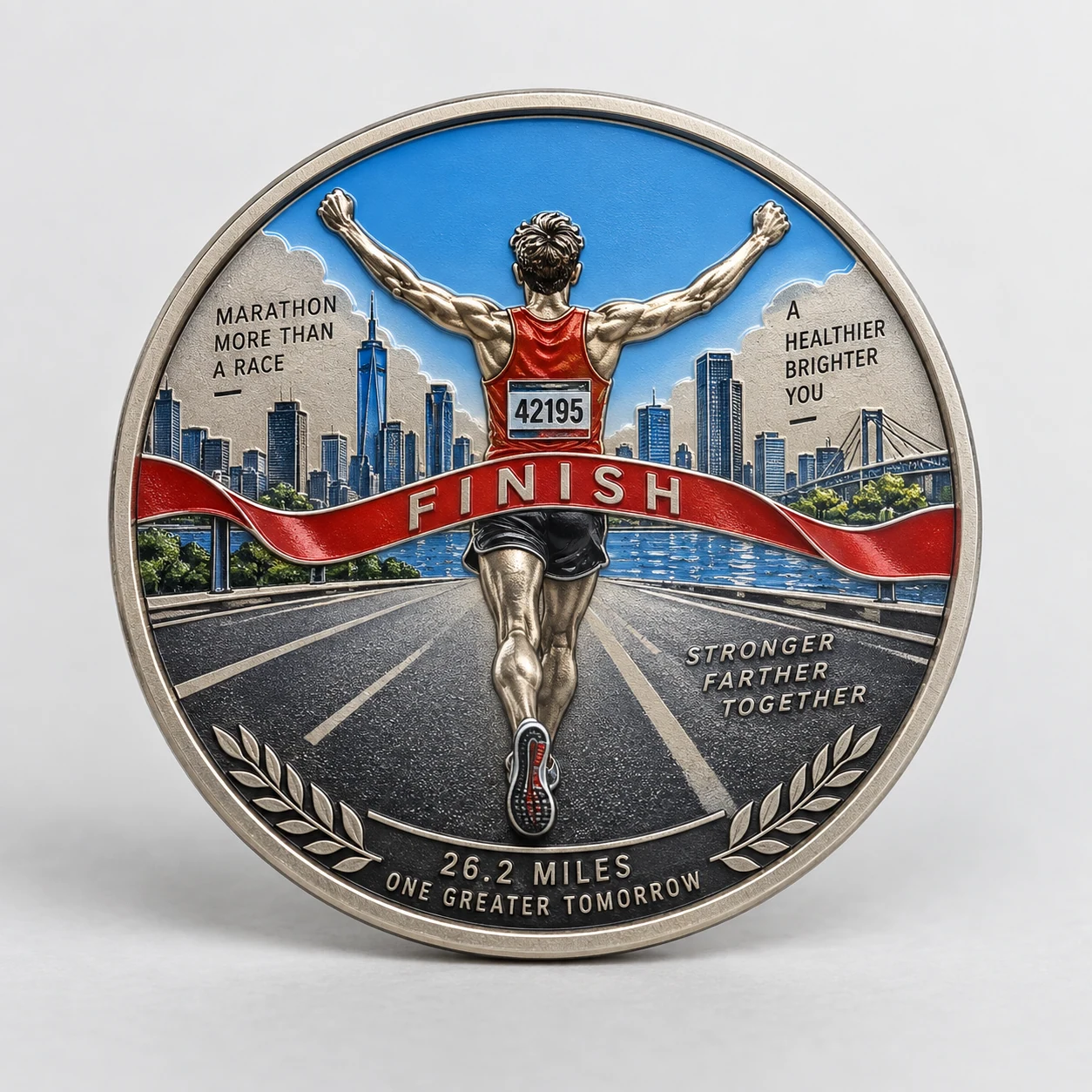
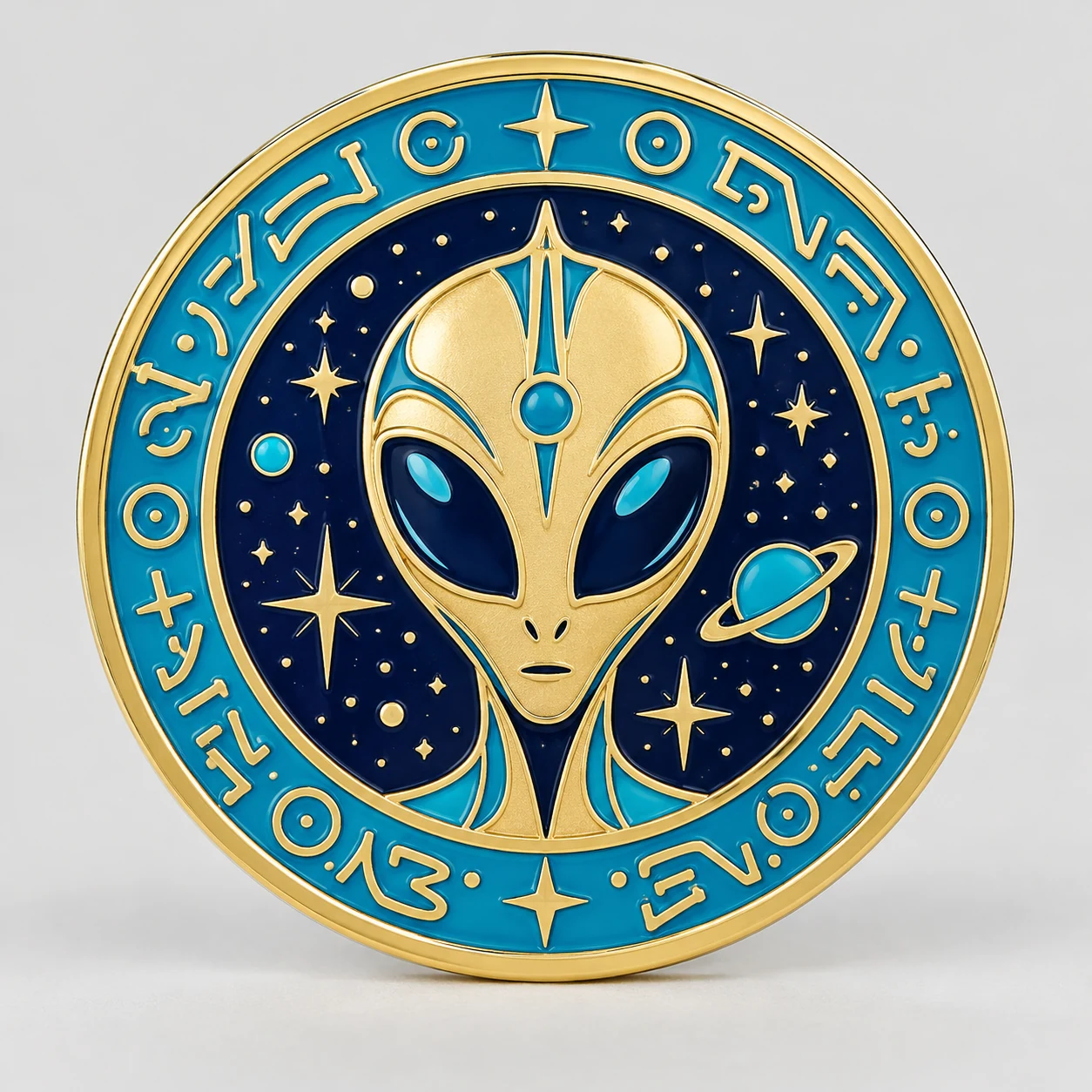
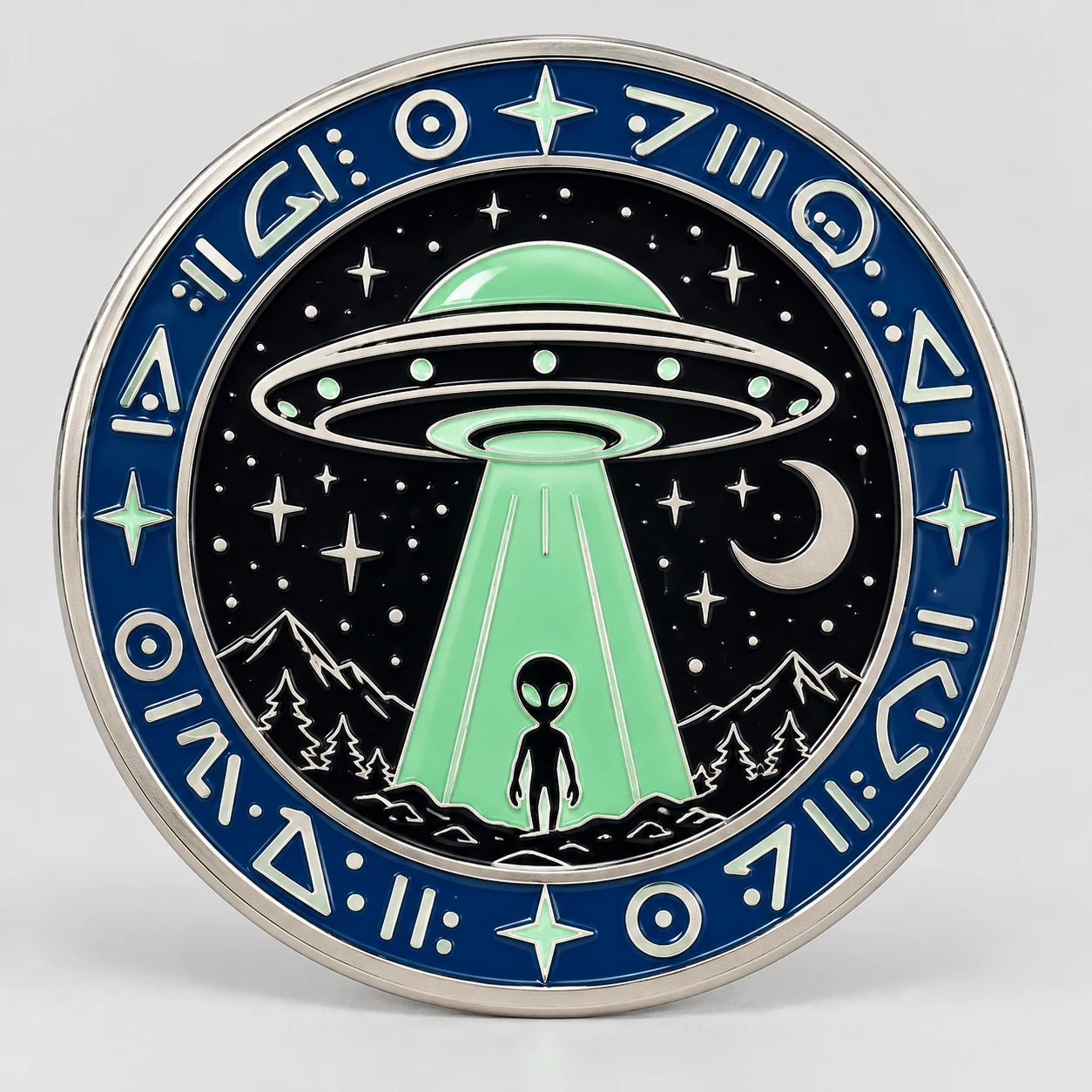
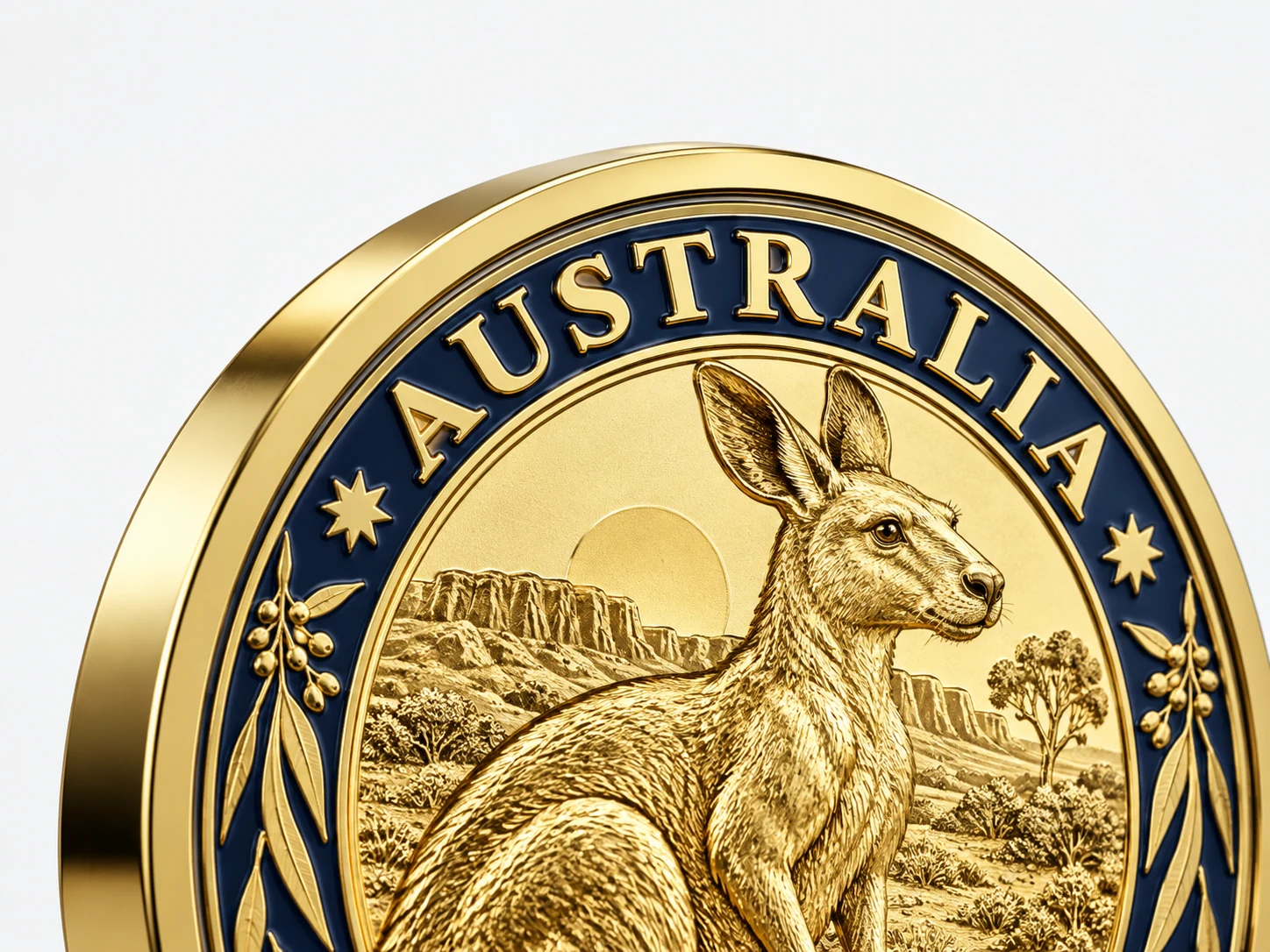
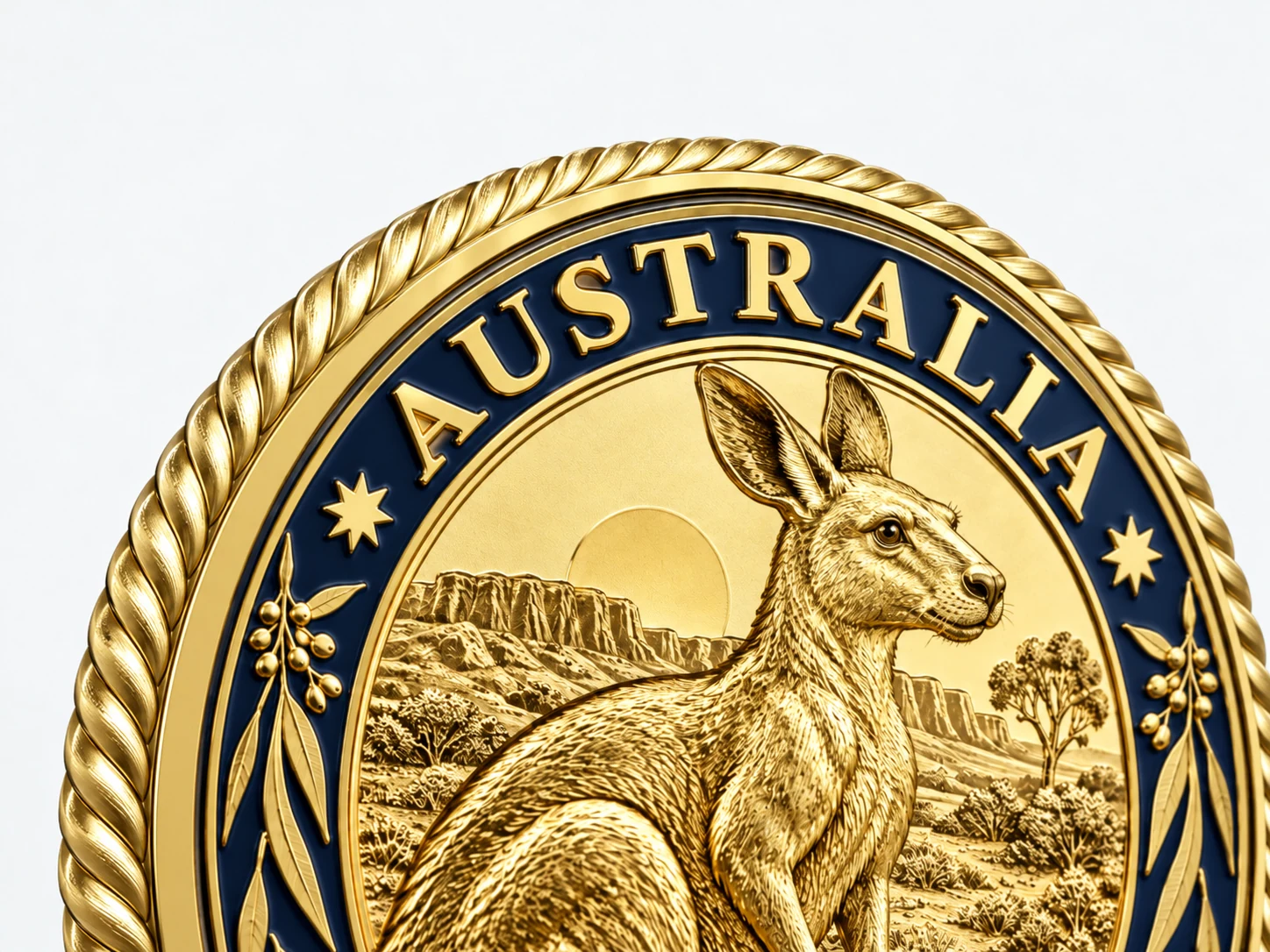
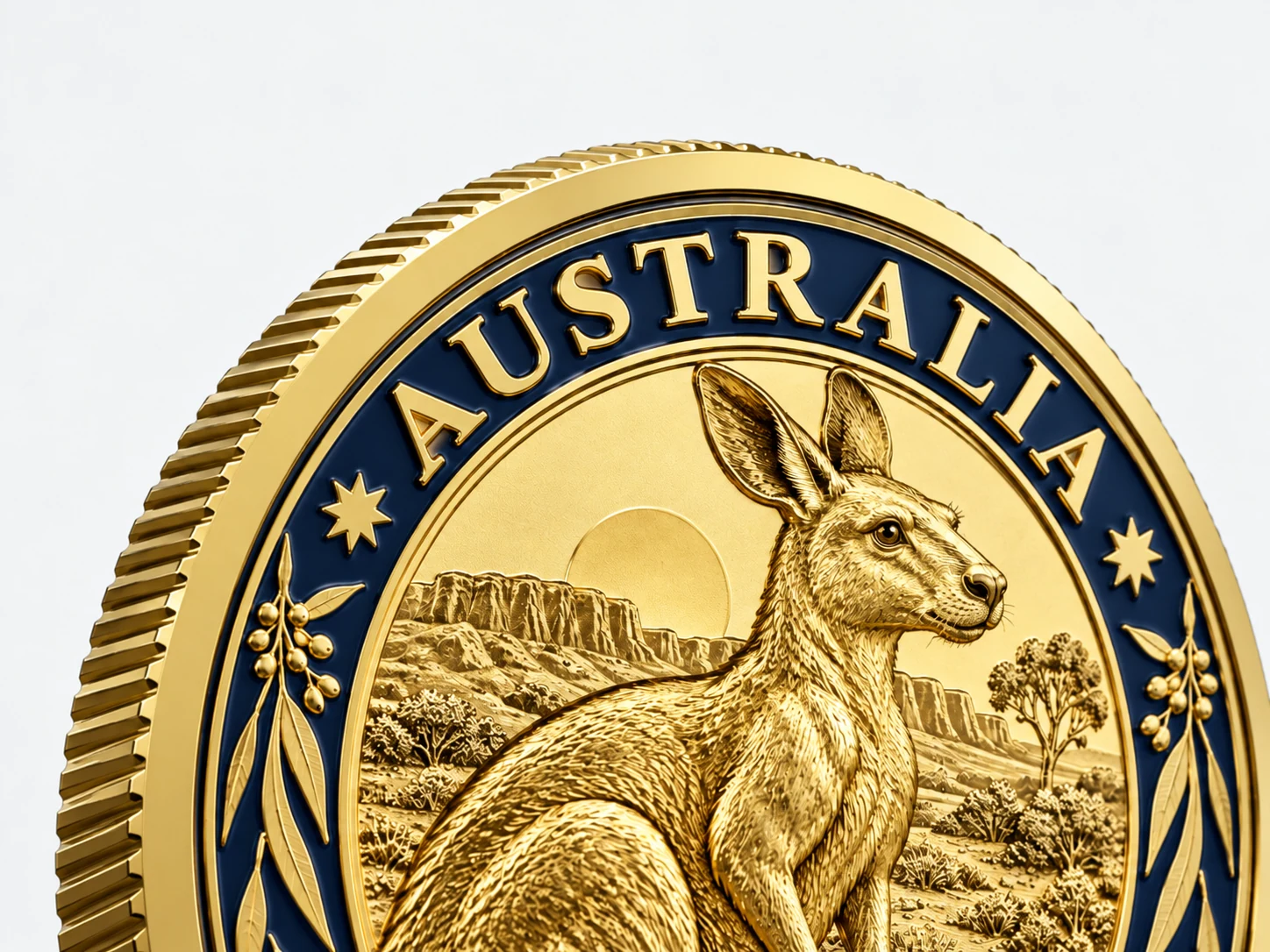
Final feasibility, material specification and pricing depend on the approved design. Images illustrate visual directions; surface appearance alone does not identify the underlying material or purity.
TWO DETAILS WORTH DISTINGUISHING
Material, appearance and dimension.
01
Base material ≠ surface color
Plating, enamel, printing and antique treatments all influence the visible finish. Specify the base metal and the desired surface separately, including any purity or alloy-grade requirement.
02
Relief height ≠ coin thickness
Relief is the raised detail above the background. Overall thickness is a separate body dimension. Provide both requirements so the design and production route can be reviewed together.
FROM BASE METAL TO FINISHED EXPRESSION
Give the surface a story.
Relief & texture
Plan raised and recessed areas, lettering and background patterns together. Share a front-and-reverse design and the intended dimensions so detail can be assessed at the actual coin size.
Explore polished, antique or contrasting surface directions. Confirm the base material separately from the surface color, and review the proposed combination on the approved artwork or sample.
Identify the areas intended for enamel or printing and provide your color references. Fine lines, gradients and small details need artwork review; agree the final appearance through the sample approval process.
Coordinate edge profiles, lettering or numbering with the coin diameter, thickness and outline. Include capsules, presentation boxes or other packaging in the brief so fit and protection can be reviewed.
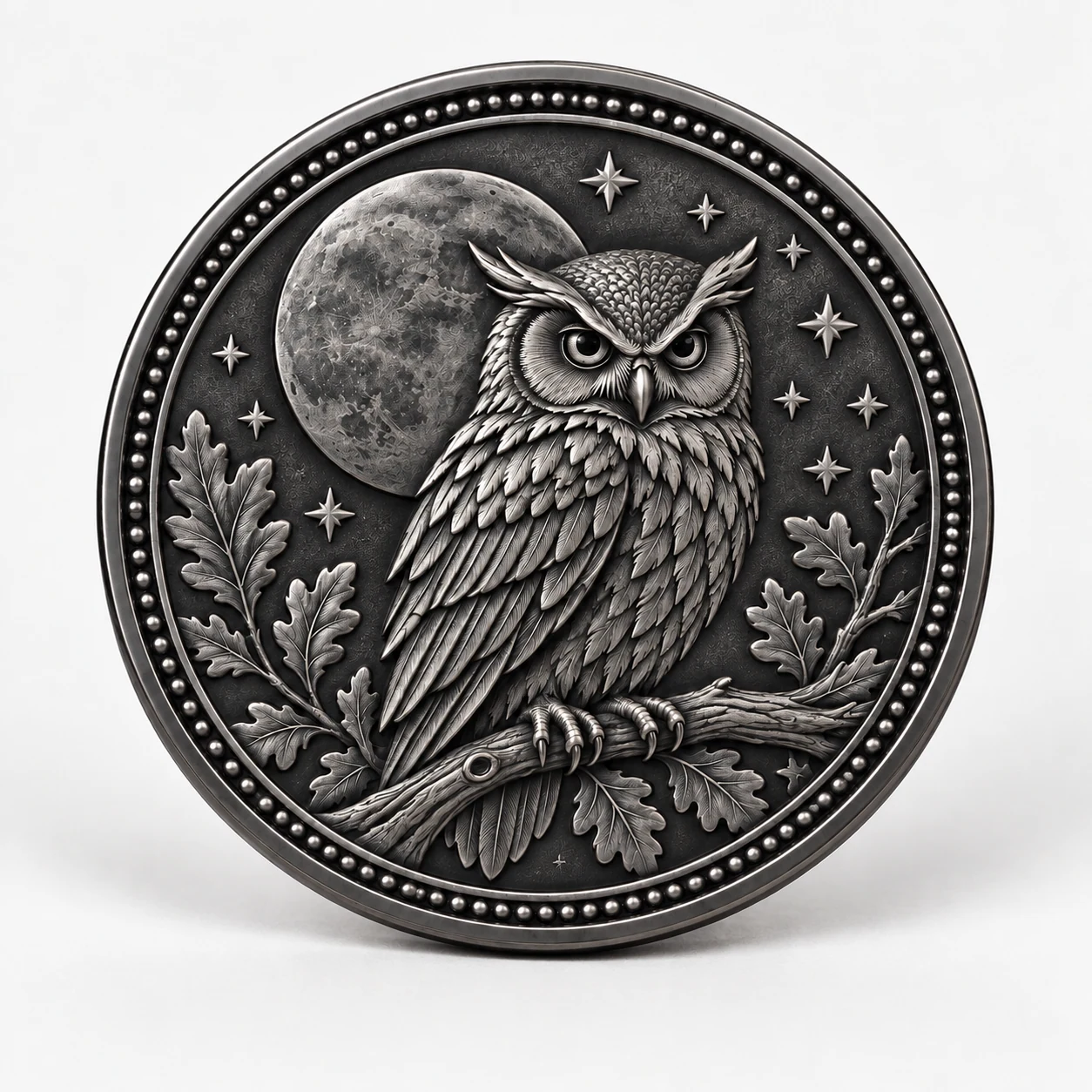
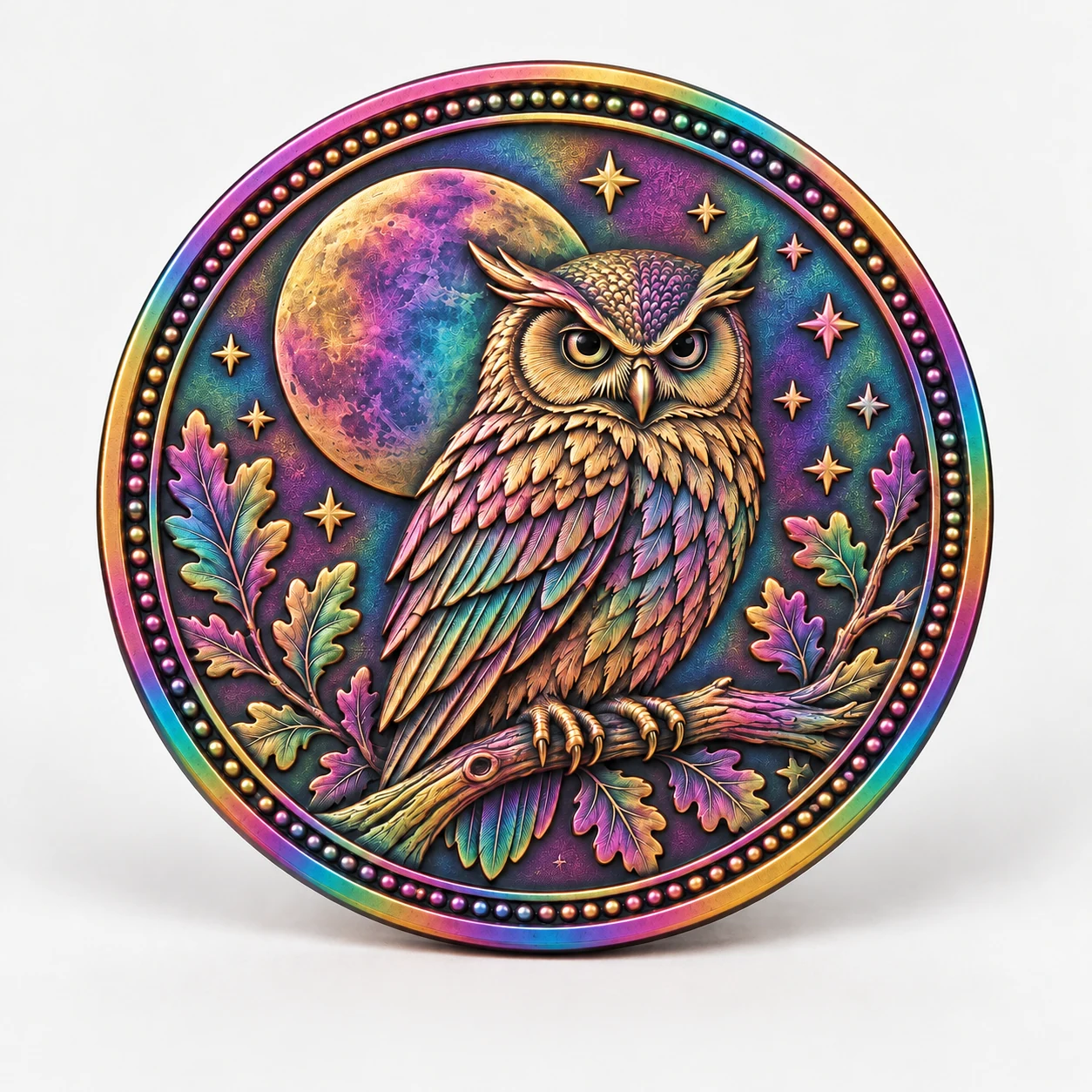
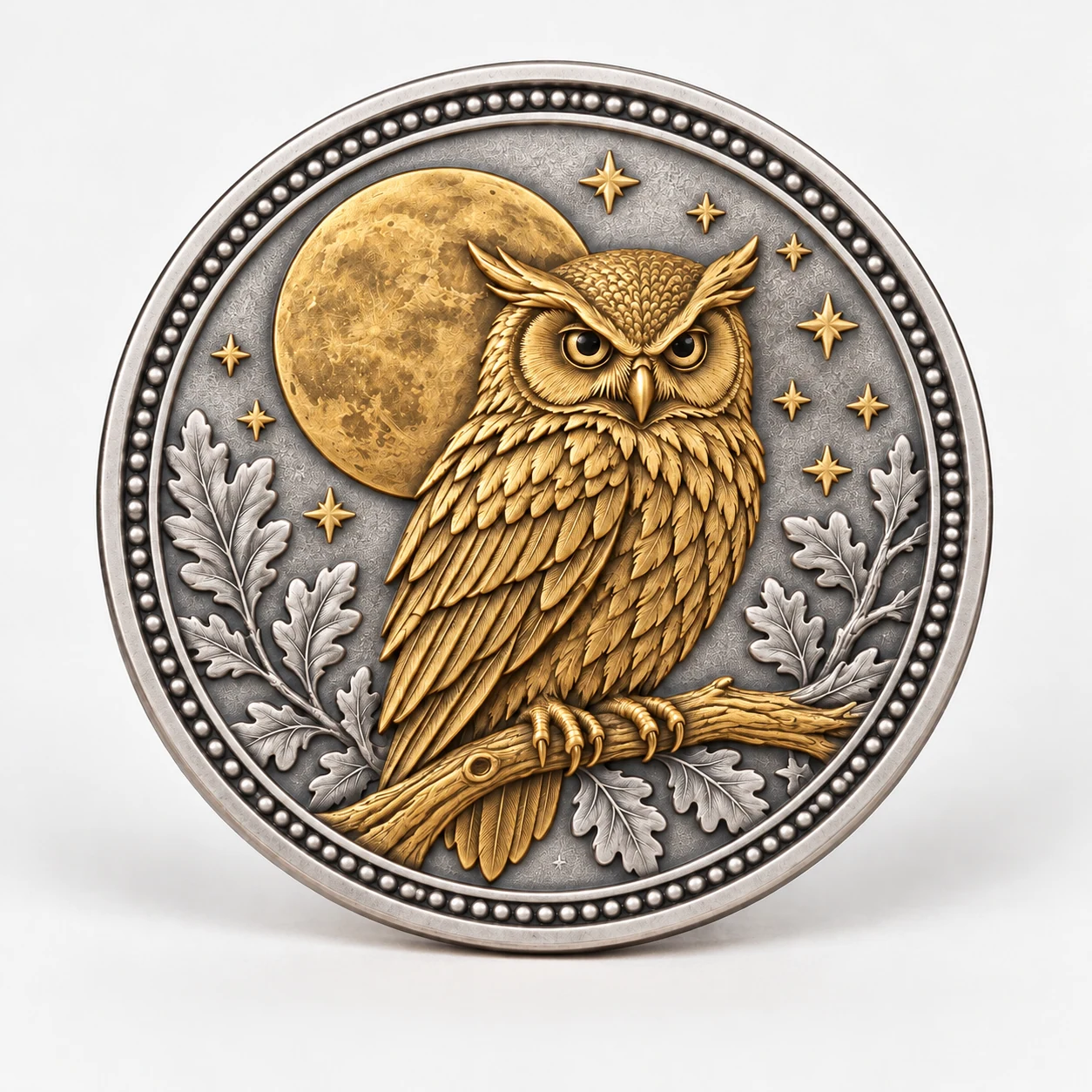
Compare shiny, antique, dark, rainbow and two-tone surface effects through an owl coin design theme. Choose a finish to explore the detail and include your preference in your quote request.
SELECTED SURFACE FINISH
Shiny Gold
A bright, warm gold tone with reflective highlights that bring raised details into focus.
Finish names describe surface appearance, not base-metal composition or purity. Artwork, lighting and viewing angle may vary between references. Confirm material compatibility and the final finish with your approved sample.
Choose hard enamel for a smooth, flush surface, soft enamel for recessed color, baked enamel / paint for a refined painted appearance, or UV printing for gradients and full-color graphics. Select the process alongside your base material, plating and artwork.
Hard Enamel
Smooth & flush
Vivid color with a wear-resistant finish. The colored areas sit level with the surrounding metal, creating a smooth, flat surface.
Best for
Smooth surfaces, crisp color and premium presentation.
A popular coloring option with vivid color and a refined painted appearance. Review the desired sheen and surface profile with your artwork and sample.
Relative costs are a general guide, not a fixed price ranking for every design. Quantity, color count, coverage, material and artwork affect the quote. Surface profile, sheen and wear requirements are confirmed with the agreed sample.
Share your artwork, color references, preferred surface feel and intended use. We will review the coloring process with your complete coin specification.
Use the numbered sample to discuss the effect you prefer. Pattern scale, placement and material compatibility are reviewed for the actual coin design.
Fine grain: a subtle background direction.
Line & crosshatch: a more defined visual rhythm.
Woven, wave & geometric: distinctive pattern directions to review.
Select a reference above to include its number in your inquiry. The descriptions identify the visible pattern direction; final scale and appearance are confirmed in the artwork and sample.
Compare fine grain, intersecting lines, woven, wave and geometric directions. Keep the pattern scale in proportion to the lettering and the coin dimensions.
02
Give the main artwork contrast
Use a textured field beside a smoother raised emblem or inscription. Check that the background supports the message and keeps small text readable.
03
Review the light and finish
Texture changes how the surface catches light. Discuss the look together with the metal finish; the final appearance depends on the pattern, relief and surface treatment.
04
Approve the complete combination
Mark where the pattern begins and ends. Confirm its placement and scale in the artwork, then review the agreed sample with the intended finish.
Include texture in your project brief.
Send the sample number or reference, desired placement, material, finish, dimensions and quantity. Texture feasibility and any related charges are confirmed in your quotation.
A surface texture is a repeated raised or recessed pattern applied to selected areas of the coin, such as its background or border. It adds another layer of detail alongside the main artwork and relief.
How is surface texture different from relief?+
Relief forms the principal raised and recessed design, such as an emblem, portrait or lettering. Texture is a smaller-scale pattern within a selected area. The two should be reviewed together at the intended coin size.
Can I request a custom texture pattern?+
Yes. Share a reference image or describe the pattern, its scale and where it should appear. Custom texture feasibility is reviewed against the artwork, material and production method before it is included in the approved specification.
Does adding a coin texture cost extra?+
Any texture-related tooling or production cost is confirmed in your quotation. Do not assume every pattern, material or custom texture has the same pricing; identify your preferred pattern and placement when requesting a quote.
How do I confirm the final texture appearance?+
Check pattern placement, scale and interaction with lettering in the production artwork. Review the combined texture, relief and finish on the agreed sample before approving bulk production.
Explore Standard Edge, Rope Edge and Reeded Edge options for custom challenge coins and commemorative coins. Review the edge alongside your diameter, thickness, relief and finish.
Standard Edge
A clean, smooth edge that keeps the focus on the coin artwork.
Confirm the location of decorative details in the artwork: a rope border on the coin face differs from a pattern on the side edge. Final geometry and feasibility depend on the material, dimensions and approved sample.
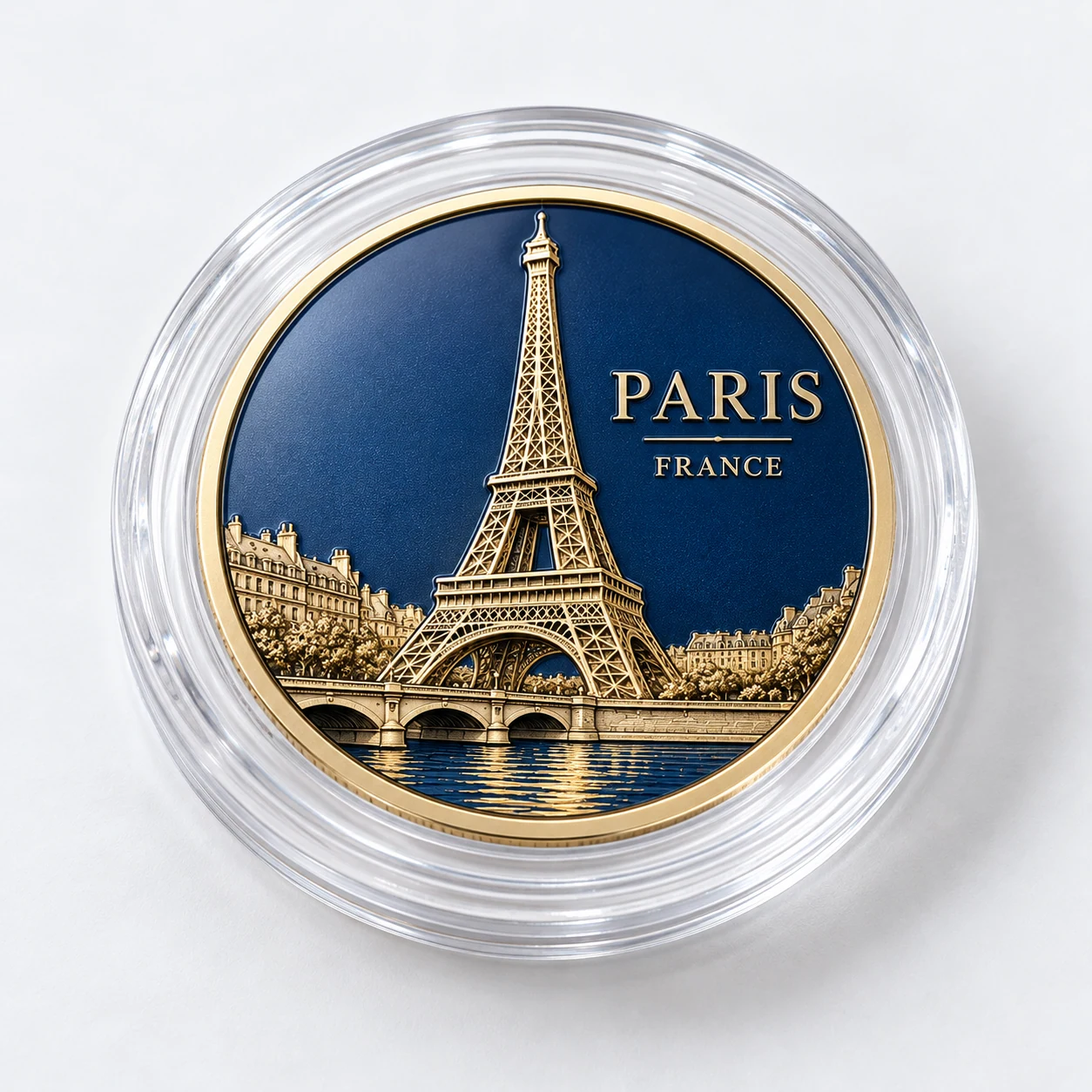
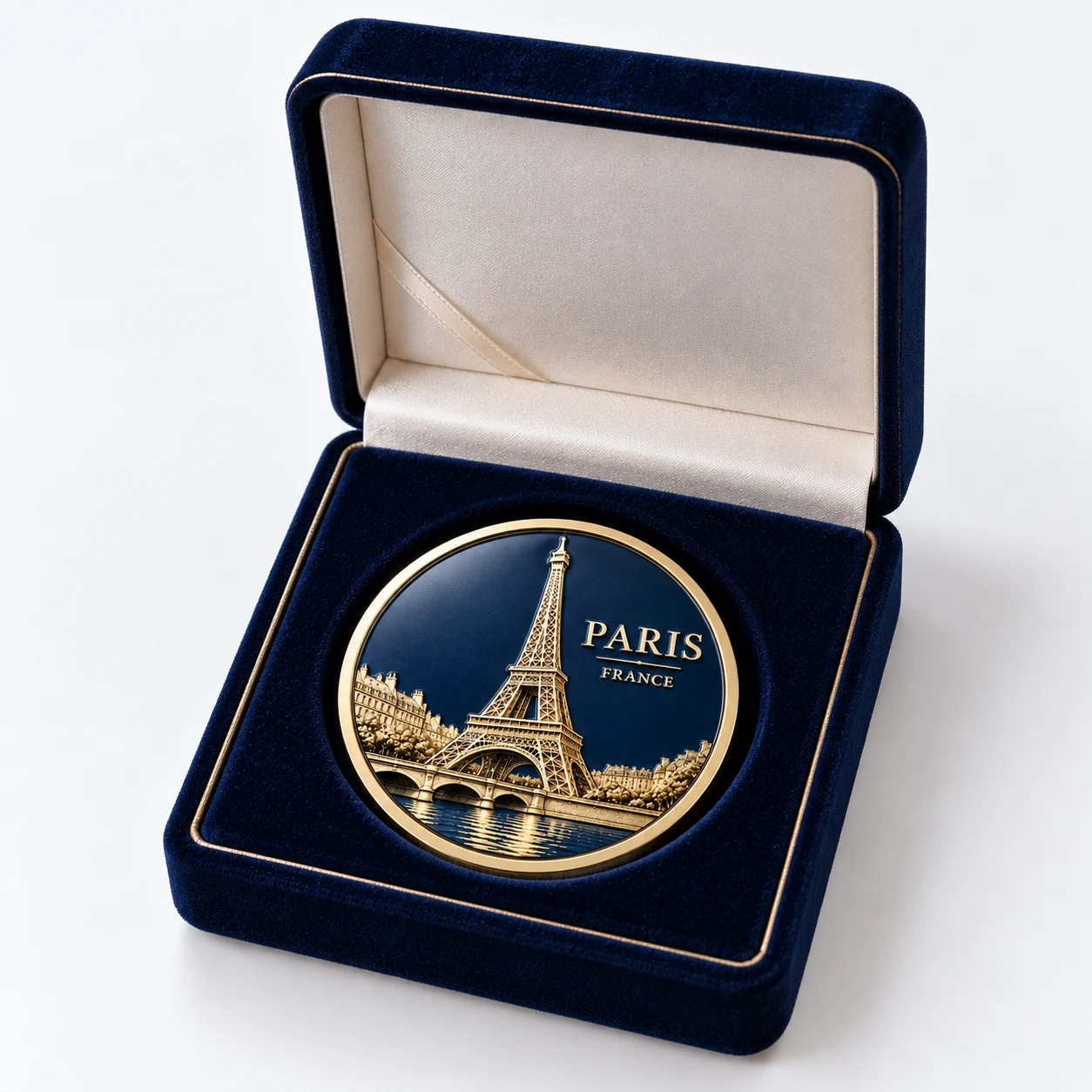
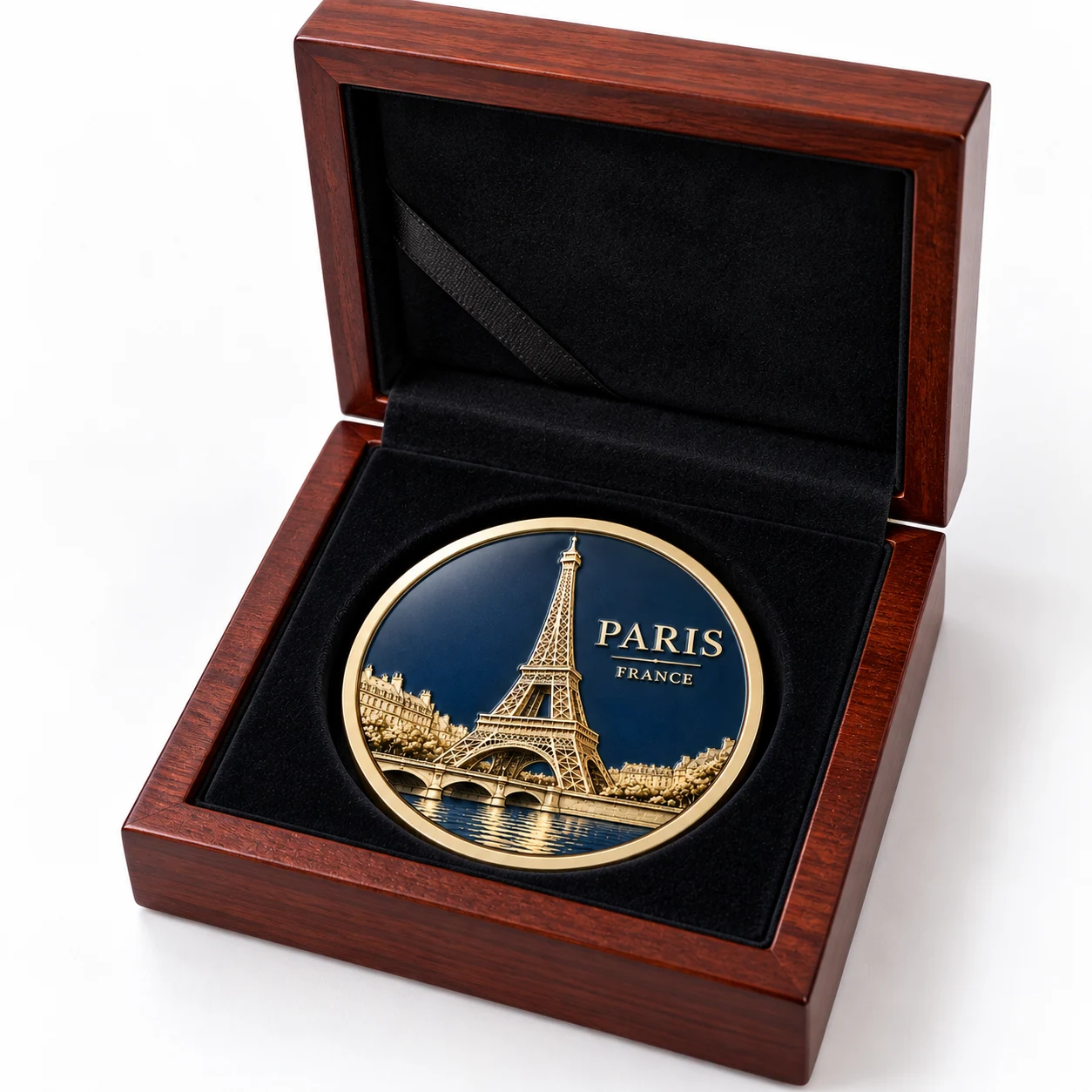
Choose an Acrylic Capsule, Velvet Box or Wood Box to suit how your coin will be stored, displayed or given. Plan the packaging together with the coin dimensions and delivery requirements.
Acrylic Capsule
A clear capsule helps protect the coin while keeping the artwork visible.
Packaging MOQ: 100–500 boxes. Confirm the minimum for the selected format separately from the 1-piece coin minimum. Reference box prices include an insert, clear acrylic capsule and logo processing; they are not complete coin-and-box set prices or an invoice for a particular case.
Velvet Box
US$1.54–4.00per box · June 2026 reference
Final cost depends on size, construction and quantity.
Separate packaging setup charges · June 2026 reference
Setup item
Reference fee
Application
Packaging cutting die
US$50–200
Separate setup charge where required.
Logo plate
US$15–80
Separate plate fee where required by the logo and decoration.
Included: insert, clear acrylic capsule and logo processing in the reference box unit price. Confirm box dimensions, coin capacity, color, material and logo requirements.
Separate: applicable cutting die and logo plate, coin price and coin mould fee. Freight and taxes are excluded and confirmed for the destination.
Reference levels: June 2026. Prices may rise or fall with raw material costs. These ranges are for planning only; request a quotation for current pricing.
Share the coin diameter and thickness, quantity, preferred packaging, insert requirements and any branding ideas. Packaging dimensions, capsule-and-box combinations, customization and pricing are confirmed for your project.
Default packaging is an OPP bag. Custom options include clear acrylic capsules or cases, flocked or velvet presentation boxes, wood boxes and other agreed formats. Confirm dimensions, branding and fit. Packaging is additional to the reference coin price.
No. Packaging is quoted separately from the reference coin price. Velvet and wood box reference prices include an insert, clear acrylic capsule and logo processing; applicable cutting dies and logo plates are additional. Freight and taxes are excluded.
Pure copper or bronze can have relief up to 3 mm (approximately 0.12 inch); Zinc Alloy up to 7 mm (approximately 0.28 inch), subject to design review. Relief affects price and is separate from overall thickness. Confirm feasibility for the approved design.
Provide Pantone references or approved brand values and mark the relevant areas. Screens, color cards and metal can differ. Production files establish the intended colors; the physical sample confirms the appearance before bulk production.
C-Creation Coins offers five material directions: 999 silver, 999 copper, brass, zinc alloy and titanium alloy. Choose around the intended use, design, dimensions, finish and budget; the final specification is confirmed in your quotation.
How should I compare custom coin materials?+
Compare the same dimensions, quantity, relief, finish and packaging across materials. For precious-metal projects, also specify the finished metal weight. Use the material comparison table above as a starting point, then request a design-specific quotation.
Does the base material determine the finished coin color?+
No. Plating, enamel, printing and antique treatments can change the visible surface. A gold-toned or silver-toned appearance alone does not identify the base material or its purity.
Is relief height the same as coin thickness?+
No. Relief height describes how far a design rises above its background; coin thickness describes the overall body dimension. Specify both separately so the production review can assess the design.
How are purity and alloy specifications confirmed?+
State the required purity or alloy grade in your brief. Confirm the material specification and any required documentation or testing arrangements in the quotation before placing an order.
What should I send for a material recommendation?+
Send your artwork or idea, coin size and thickness, quantity, relief requirements, preferred surface finish, packaging, delivery destination and required date. Include any weight, purity or alloy-grade requirement.
Have a preferred material? Include it in your project brief—or choose “Not sure yet” and share your design requirements.